
Get-in
November 22, 20263 min read
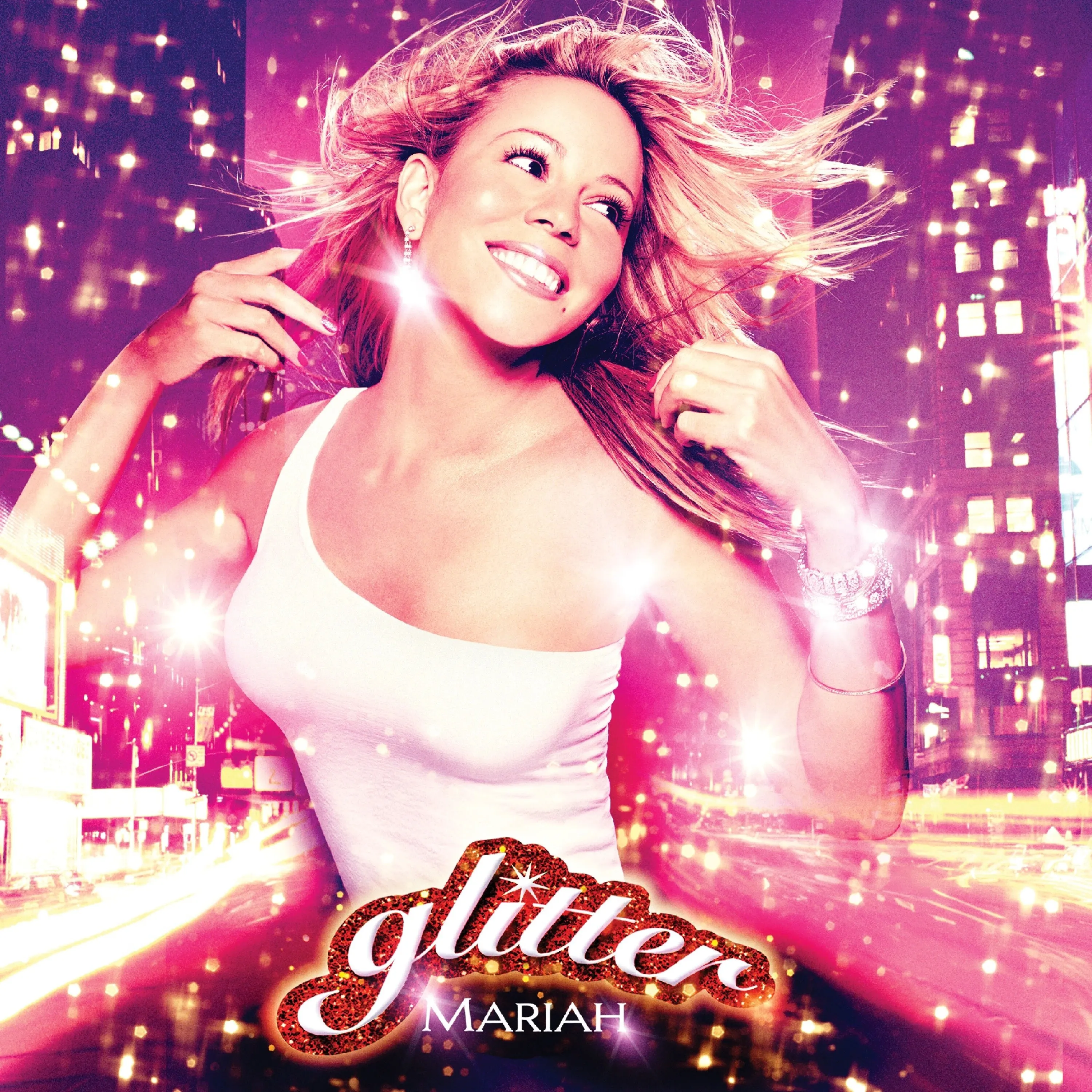
Pitchfork takes a deep dive into Mariah Carey's infamous eighth album and film soundtrack, exploring how this genre-blending record became one of pop's most fascinating experiments.
## A Sparkle in the Darkness
Every Sunday, Pitchfork embarks on a journey through pop music's most significant moments, and this week, they're turning their spotlight on one of the most controversial albums of the 21st century: Mariah Carey's *Glitter*. Released as both a film soundtrack and standalone album, this record represents a bold artistic departure that left critics divided and fans debating its legacy for over two decades.
## Breaking the Mold
*Glitter* stands as a fascinating case study in pop reinvention. Rather than doubling down on the R&B and hip-hop influences that defined Carey's late-'90s success, the superstar opted for an audacious sonic palette that merged unexpected genres into one cohesive whole. Retro synth-pop sparkles alongside aughties hip-hop production, while sweeping piano ballads provide emotional counterweight to the album's more experimental moments. It's a record that refuses to be categorized, making it both thrillingly innovative and occasionally bewildering.
## The Weight of Legacy
What makes *Glitter* particularly compelling to revisit now is the burden of its own narrative. The album arrived with legendary baggage—both from industry expectations and from circumstances surrounding its release. Yet within this context lies a record that remains genuinely sonically adventurous, worthy of serious critical reconsideration. As Pitchfork's deep dive reveals, dismissing *Glitter* outright means overlooking one of pop's most daring experiments.
## Why It Still Matters
Twenty-some years later, *Glitter* continues to intrigue music historians and pop enthusiasts alike. It serves as a reminder that sometimes the most polarizing albums reveal the most about their eras—and their makers. Whether you view it as a misstep or a misunderstood gem, there's no denying that Mariah Carey's eighth album remains essential listening for anyone interested in pop music's most audacious moments.